
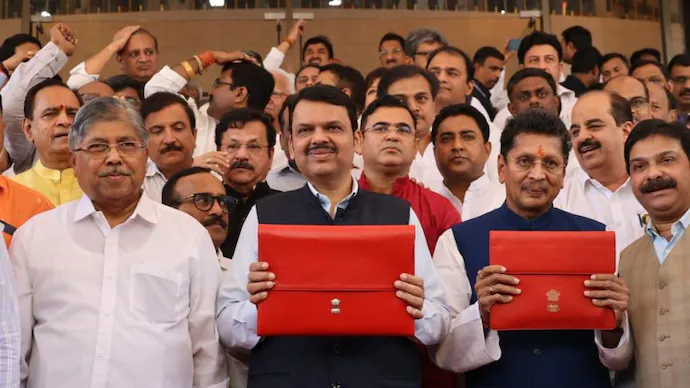
In the Maharashtra Budget 2023, Deputy Chief Minister and Finance Minister Devendra Fadnavis unveiled a bold and visionary agricultural initiative: 25 lakh hectares of farmland to be brought under organic farming in the next 3 years, backed by a budget of ₹1,000 crore. This move marks one of the largest state-led transitions toward sustainable and chemical-free agriculture in India.
What Was Announced?
- Target: Convert 25 lakh hectares (2.5 million hectares) of farmland to organic or natural farming by 2026
- Time Frame: Over 3 years
- Budget Allocation: ₹1,000 crore
- Focus Areas: Water-stressed and chemically degraded districts first (like Marathwada, Vidarbha)
- Support Offered: Financial aid, training, marketing assistance, and certification support
Why Is This Important?
Maharashtra is facing major challenges in agriculture:
| Soil degradation due to chemicals | Restores soil health with natural inputs |
| High farming costs | Reduces input costs drastically |
| Water scarcity | Natural farming uses less water |
| Market instability | Growing demand for organic food can raise farmer income |
This policy shift will not only support climate-resilient farming but also improve public health and environmental quality.
How Will Farmers Benefit?
Free/Low-Cost Inputs: Cow-based fertilizers like Jeevamrut, Beejamrut, and Amritpani can be prepared at home.
Training & Guidance: Krishi Vigyan Kendras (KVKs), Agriculture Universities, and NGOs will conduct training.
Cluster Approach: 100-200 farmers per village to be grouped together to ease certification and supply chain.
Organic Certification Support: State will help with PGS India or NPOP certification, which are essential for selling in premium markets.
Market Linkages: Direct marketing through Farmer Producer Companies (FPCs), organic mandis, and e-platforms.
What Farmers Should Do Now
- Register with your Taluka Agriculture Office or nearby KVK to show interest.
- Start small — convert 0.5 to 1 acre of your farm as a trial.
- Join or form a Farmer Producer Organization (FPO) for better collective access to markets and subsidies.
- Attend local workshops and training sessions on organic/natural farming practices.
- Use desi cow-based formulations like Jeevamrut, Neemastra, and fermented leaf extracts for crop nutrition and protection.
A Greener Future for Maharashtra
This move by the state government isn’t just about farming — it’s about sustainability, climate action, and farmer empowerment. As the demand for organic food continues to grow in India and abroad, Maharashtra’s farmers will be better positioned to benefit from premium markets — while healing the soil and protecting the environment.